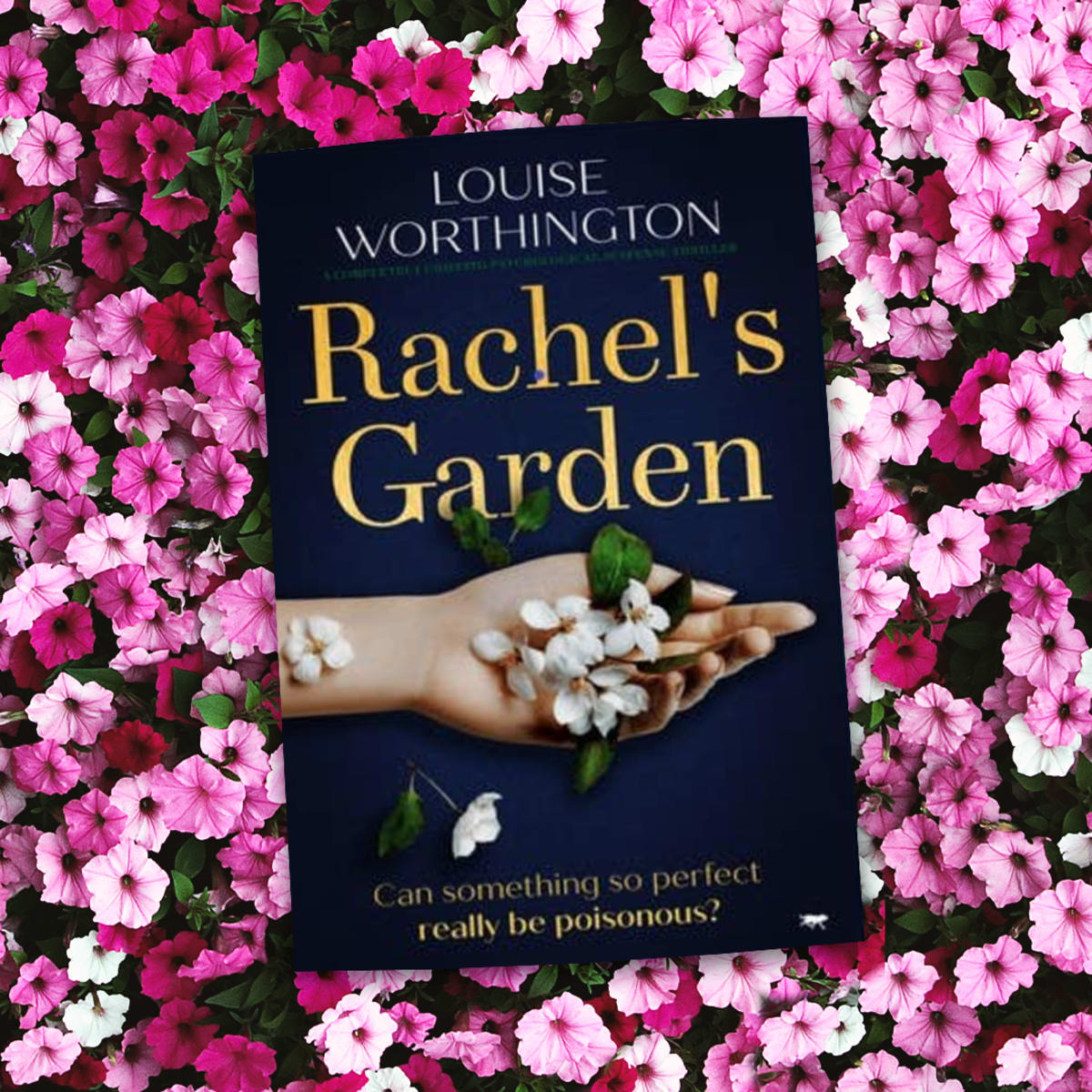
Book Club Questions for Rachel’s Garden
- Rachel creates a garden room for everyone she has loved, lost or wronged. Did you see the garden as an act of healing, an act of control, a confession, or something more dangerous?
- Which room in Rachel’s Garden felt most emotionally powerful to you: her mother’s, her father’s, Jen’s, Adam’s, or the room for the hoped-for baby? Why?
- Maple Cottage and Peckforton Woods are more than settings. How do house, garden and woods reflect Rachel’s inner life?
- Rachel wants to transform grief into beauty. Does the novel suggest that beauty can redeem pain, or that it can conceal it?
- How did your view of Rachel change over the course of the novel? Did you sympathise with her, distrust her, fear for her, or judge her?
- Adam’s behaviour becomes increasingly controlling and volatile. How does the novel explore the way fear can exist even when violence is not immediately visible?
- Infertility and pregnancy are central to the emotional stakes of the novel. How does Rachel’s longing for a child affect her choices?
- Ollie offers Rachel comfort, tenderness and attention. Did you see him as a genuine escape, a temptation, a catalyst, or another form of danger?
- Peckforton Woods contain memory, childhood, inheritance and poison. What do the woods represent to Rachel?
- The novel uses poisonous plants as both plot and metaphor. What forms of “poison” exist in Rachel’s life before any physical poison appears?
- Was Rachel’s revenge understandable, unforgivable, inevitable, or all three?
- The title places ownership on Rachel: Rachel’s Garden. By the end, what does the garden truly belong to — Rachel’s grief, her guilt, her survival, or her violence?
- How does the novel handle motherhood: as hope, identity, protection, danger, or moral justification?
- Several relationships in the novel are shaped by silence, secrecy or things left unsaid. Which silence did the most damage?
- If the garden is a map of Rachel’s emotional life, what is the final room? What has she really planted?